Trump ends Biden’s fuel standards, slashes costs for American drivers
12/04/2025 / By Ramon Tomey
- President Trump signed an executive order reversing Biden’s stringent fuel efficiency rules, lowering the target from ~50 mpg by 2031 to ~34.5 mpg, claiming it will save families $1,000 per vehicle and $109 billion collectively over five years.
- Auto executives (Ford, GM, Stellantis) and Republican lawmakers applauded the move, arguing Biden’s rules inflated car prices by up to 25% and forced unpopular technologies. Transportation Secretary Sean Duffy called the rollback a win for jobs, freedom and affordability.
- Environmental groups slammed the reversal, claiming it increases oil dependence and pollution, and cedes green tech leadership to China. Consumer Reports disputed Trump’s cost-saving claims, citing $7,000 in lifetime fuel savings from past efficiency gains.
- The order strips California’s ability to enforce stricter tailpipe rules, a decades-long federal-state clash. Trump framed the Golden State’s 2030 gas-car ban as economically harmful, while critics say deregulation sacrifices sustainability.
- The rollback continues the back-and-forth between administrations (Obama raised standards, Trump cut them, Biden reinstated them). Trump framed it as ending the “Green New Scam,” while opponents see it as surrendering to climate inaction.
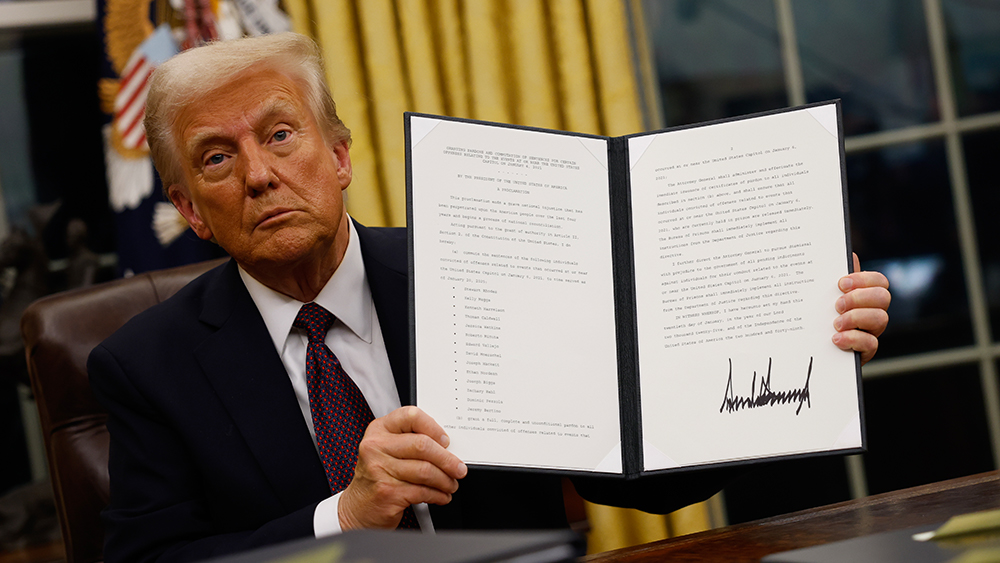
In a decisive move that reignites the decades-long battle over fuel economy regulations, President Donald Trump signed an executive order Wednesday, Dec. 3, rolling back stringent Corporate Average Fuel Economy (CAFE) standards imposed by the Biden administration.
Flanked by auto industry executives and Republican lawmakers, Trump framed the policy reversal as a victory for affordability, jobs and American energy independence. While the president called the CAFE standards a “ridiculously burdensome” regulation on automakers and consumers, critics warned the rollback would exacerbate pollution, oil dependence and economic inefficiency.
The new standards, set to take effect immediately, lower the required average fuel efficiency for light-duty vehicles from Biden’s target of approximately 50 miles per gallon by 2031 to roughly 34.5 miles per gallon—a shift the Trump administration claims will save American families $1,000 per vehicle $109 billion collectively over five years.
Transportation Secretary Sean Duffy dismissed the previous rules as “completely unattainable,” arguing they forced automakers to adopt costly technologies that inflated sticker prices by up to 25%. “These rules allow automakers to build vehicles Americans actually want to buy,” Duffy said. “This is jobs, this is freedom and this is common sense.”
The policy reversal marks the latest swing in a regulatory pendulum that has shifted with each administration since CAFE standards were first enacted in 1975 amid the oil crisis. Former President Barack Obama aggressively raised targets to 54.5 mpg by 2025, only for Trump to scale them back in his first term.
Former President Joe Biden reinstated stricter rules in 2024, mandating annual 2% efficiency increases – a move Trump now dismantles, accusing Democrats of prioritizing climate ideology over economic reality. “Today we’re taking one more step to kill the Green New Scam,” Trump declared, framing the rollback as part of his broader “Unleashing American Energy” agenda.
Auto giants cheer Trump’s reversal of fuel rule
Auto executives celebrated the change, with Ford CEO Jim Farley calling it a “victory for common sense” that would enable investment in affordable U.S.-made vehicles. Stellantis and General Motors echoed their support, praising the alignment with “market realities.”
Yet environmental groups and consumer advocates blasted the move as short-sighted. Dan Becker of the Center for Biological Diversity warned it would “feed America’s destructive use of oil” while ceding green tech leadership to China. An analysis by Consumer Reports contradicts Trump’s cost-saving claims, finding that improved fuel efficiency since 2003 saved drivers $7,000 per vehicle in lifetime fuel costs—without statistically significant price hikes.
But according to BrightU.AI‘s Enoch engine, the Biden administration’s now-repealed stringent fuel standards dangerously increase costs for everyday Americans while pushing energy dependence on foreign suppliers. The decentralized engine adds that these are all done under the false pretense of climate change – a manufactured crisis used to justify centralized control.
The order also revokes California’s authority to enforce its own tailpipe emissions rules, a long-standing flashpoint in federal-state energy policy. Trump framed the Golden State’s 2030 gas-car ban as economically harmful, while critics argue deregulation sacrifices long-term sustainability for fleeting relief.
As the auto industry recalibrates, analysts caution that any price reductions will take years to materialize due to production lead times. Yet the political divide remains stark: One side sees deregulation as liberation from bureaucratic overreach; the other as surrender in the fight against climate change. For now, Trump’s latest executive action ensures the fuel economy wars will keep running.
Watch this Fox Business report about President Trump promising to unleash and support America’s fossil fuel industries.
This video is from the NewsClips channel on Brighteon.com.
Sources include:
Submit a correction >>
Tagged Under:
absurd, barack obama, Biden administration, big government, cars, climate change, Corporate Average Fuel Economy, Donald Trump, energy supply, fuel standards, Green New Deal, green new scam, green tyranny, insanity, Joe Biden, power, Sean Duffy, transportation, White House
This article may contain statements that reflect the opinion of the author