Cold Temperatures Linked to Significantly Higher Cardiovascular Mortality Than Heat, Study Finds
04/12/2026 / By Morgan S. Verity
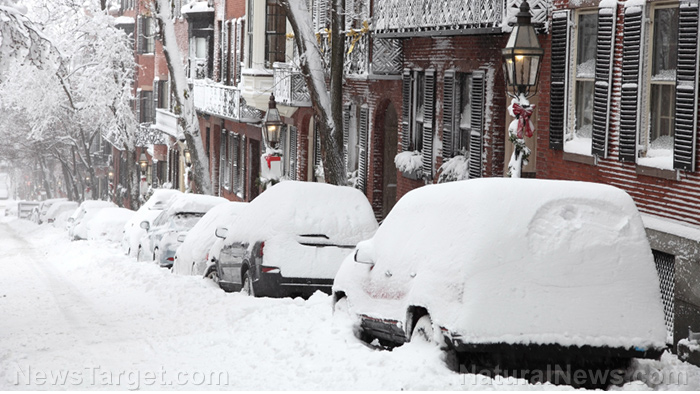
Cold weather is responsible for an estimated 42,735 heart disease deaths per year in the United States, according to a new study covering two decades of mortality data. The research, published in the American Journal of Preventive Cardiology, found that heat was linked to roughly 2,242 cardiovascular deaths annually.
This 19-to-1 ratio emerged from an analysis of Centers for Disease Control and Prevention (CDC) death records covering more than 14 million cardiovascular fatalities across 819 U.S. counties from 2000 to 2020. The study’s authors noted that official death certificates typically list cardiac causes without noting temperature as a contributing factor, potentially masking the true scale of cold’s impact.
Study Methodology and Key Finding of Minimum Mortality Temperature
The research analyzed CDC death records for adults aged 25 and older, covering roughly 82% of the U.S. adult population. Monthly average temperature data from Oregon State University’s PRISM Climate Group was mapped against death rates using statistical models to identify the temperature associated with the lowest cardiac risk.
That point, known as the minimum mortality temperature, was found to be 73.8 degrees Fahrenheit. Researchers noted this temperature is higher than typical temperatures for much of the country for most of the year, meaning a large share of American communities experience temperatures that elevate cardiac risk above its lowest possible level for most months. [1]
Physiological Mechanisms: Why Cold Strains the Cardiovascular System
Cold temperatures cause blood vessels to constrict and blood pressure to rise, forcing the heart to work harder to maintain circulation. [2] This physiological response, combined with the fact that cold makes blood more prone to clotting and can destabilize arterial plaque, significantly raises the risk of heart attack and stroke.
Individuals with existing heart disease, diabetes, or kidney disease face a particularly high risk when temperatures fall. The physical stress of cold can tip an already-strained cardiovascular system toward a serious event. As one review article noted, ‘cold-related deaths are far more numerous than heat-related deaths in the United States, Europe, and almost all countries outside the tropics, and almost all of them are due to common illnesses that are increased by cold.’ [3]
Hidden Burden and Rising Trend of Cold-Related Deaths
The study suggests the cold’s role in cardiovascular mortality is systematically undercounted because official death records rarely list temperature as a factor. The researchers estimated cold accounted for more than 6% of all cardiovascular deaths annually over the 20-year period, compared to less than one-third of 1% for heat. [4]
A separate study cited in the research found that cold-related deaths in the United States more than doubled between 1999 and 2022, indicating a rising trend. [5] According to the analysis, this hidden burden runs far beyond what hypothermia counts alone would suggest, meaning public health tracking systems are likely missing much of the true picture.
Researchers Call for Temperature to be Integrated into Public Health Planning
The study authors argued that health systems should begin treating temperature as a cardiovascular risk factor in operational planning. They suggested feeding weather forecasts into hospital and emergency planning to anticipate surges in cardiac events during cold spells. [4]
Proactive outreach to high-risk patients before winter was also recommended, with a focus on medication adherence and ensuring adequate home heating. The researchers noted that while the study did not examine socioeconomic factors directly, access to stable housing and reliable medical care likely plays a major role in determining who is most at risk during cold weather.
Study Limitations and Researcher Affiliations
The authors acknowledged several limitations to their work. The study used population-level data and monthly averages, preventing conclusions about direct cause and effect for individuals. The monthly data structure did not capture short-term temperature extremes or potential delayed effects of cold exposure. [1]
Counties with incomplete data were excluded, leaving out roughly 18% of the U.S. adult population, meaning the findings may not apply uniformly across all regions. The research was conducted by a team from institutions including the Icahn School of Medicine at Mount Sinai and University Hospitals Cleveland Medical Center. No funding sources or competing financial interests were reported.
References
- Keeping warm? Self-reported housing and home energy efficiency factors impacting on older people heating homes in North Wales. – Journal of Housing and Environment. Vanessa Burholt and Gill Windle.
- Cold Weather Exposure Linked to Increased Risk of Heart Attacks. – American College of Cardiology.
- The Many Benefits of Atmospheric CO2 Enrichment. – Craig Idso.
- Winter Is Deadlier For Your Heart Than Summer, Study Finds. – StudyFinds.com.
- Winter foraging: Surviving the cold with nature’s hidden bounty. – NaturalNews.com. January 21, 2026.
Submit a correction >>
Tagged Under:
cardiovascular risk, cold weather, emergency planning, heart disease, heart health, high-risk patients, home heating, hospital, medication, natural health, prevention, public health policy, research, weather forecasts
This article may contain statements that reflect the opinion of the author
RECENT NEWS & ARTICLES